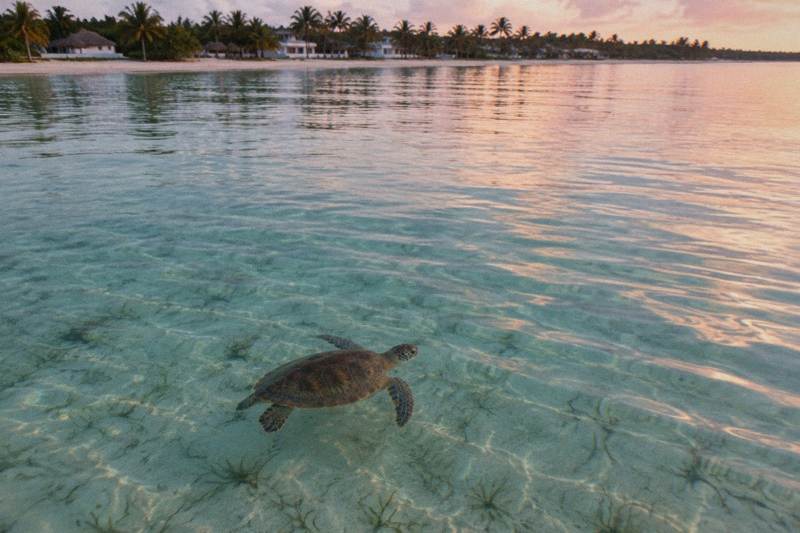
Is There A Turtle Sanctuary In Akumal?
No dedicated turtle sanctuary or rehab facility exists in Akumal. Here is what actually protects the bay's turtles, and how to see them the right way.
What Akumal Has Instead Of A Sanctuary
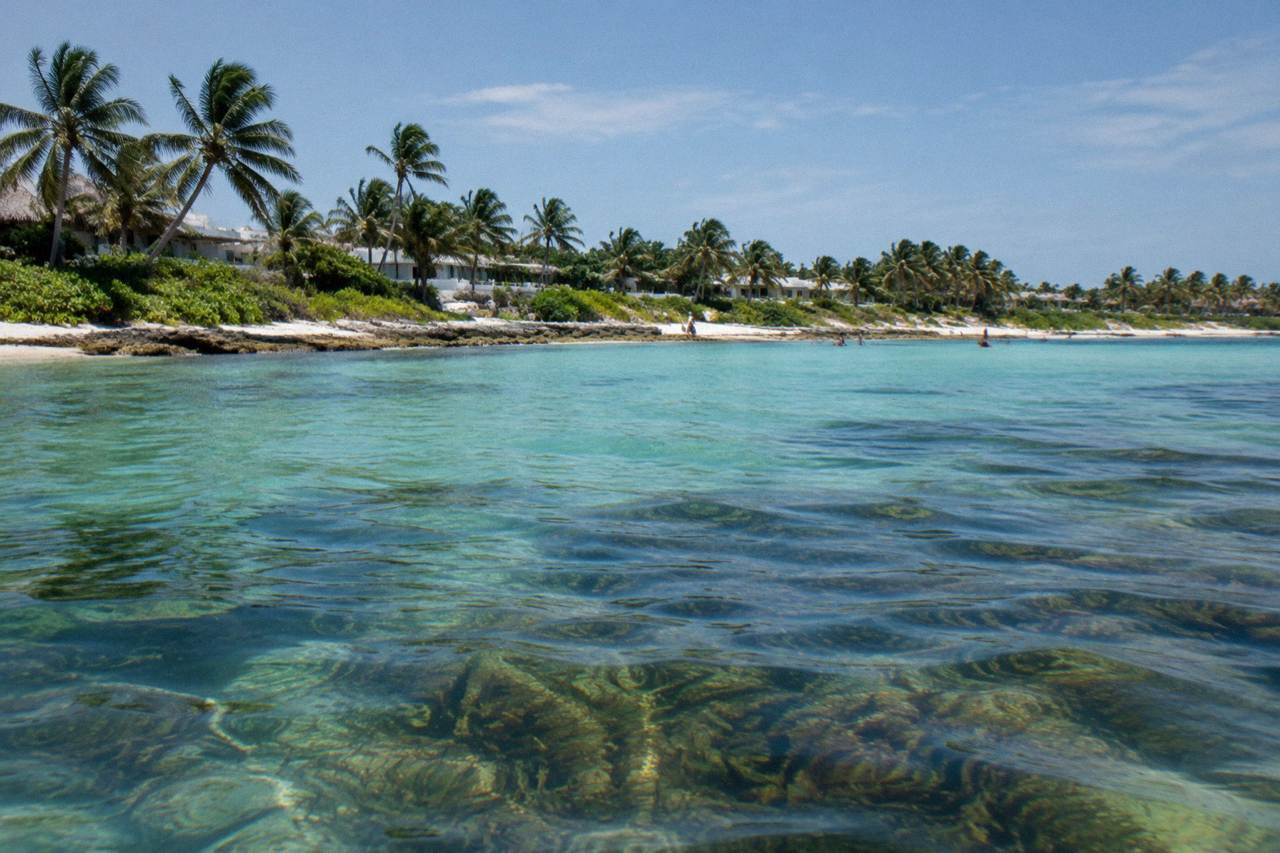
No. Akumal has no dedicated turtle sanctuary and no rehabilitation facility, a point several 2026 sources confirm. What Akumal does have is a federally protected marine refuge around the bay, a research and patrol organization called the Centro Ecologico Akumal, and a nearby nesting beach, Xcacel-Xcacelito, that sources describe as a sanctuary in its own right. The difference matters for visitors expecting fences, tanks and rescued animals.
The confusion is understandable. Type the word Akumal into a search bar next to the word turtle and the results read like a sanctuary brochure: images of green turtles grazing over seagrass, guided swims, conservation talk. The reality is more interesting than a brochure. The bay itself is the protected thing. In 2016 the federal government designated the waters around Akumal an Area de Refugio, a marine refuge covering 1,653 hectares about 37 km south of Playa del Carmen, set aside specifically to protect green turtles, loggerheads and hawksbills along with staghorn and elkhorn coral and the mangroves behind the beach. There is no gate, no ticket booth for the refuge itself and no building called a sanctuary anywhere in town.
What fills the role people imagine when they say sanctuary is split between two very different things. The first is the Centro Ecologico Akumal, usually shortened to CEA, a research and conservation organization based in Akumal that has monitored turtle nesting on these beaches for decades. The second is the federal protection programme published in 2017, which regulates how tourists may swim in the bay where the turtles feed. Neither is a sanctuary in the rescue-center sense. There are no tanks, no captive animals and no public rehabilitation facility, and no available source describes one existing.
This matters for planning. A visitor who arrives expecting a managed attraction may be surprised to find that the turtle experience in Akumal is a wild one, run through guided tours inside a regulated circuit. The tours compared here, from the Akumal Beach VIP line with GoPro photos from $34 per person to the small-group park-entry tours, all operate inside that framework rather than around it. Understanding what the protection actually is, and who enforces it, explains why the tours look the way they do.
If the goal is simply to swim where turtles feed under a licensed guide, the main ways to do it are a combined bay and lagoon trip, the photo-included VIP format, and a straightforward park-entry turtle swim.
What Protects The Turtles In Akumal Bay?
A federal marine refuge designation from 2016 and a protection programme from 2017 together protect the turtles, backed by beach patrols run by the Centro Ecologico Akumal. The refuge bans touching, feeding, chasing or removing wildlife, prohibits anchoring in the bay, and confines tourist turtle swimming to two buoyed circuits with certified guides, vests, short fins and groups capped at six people plus the guide.
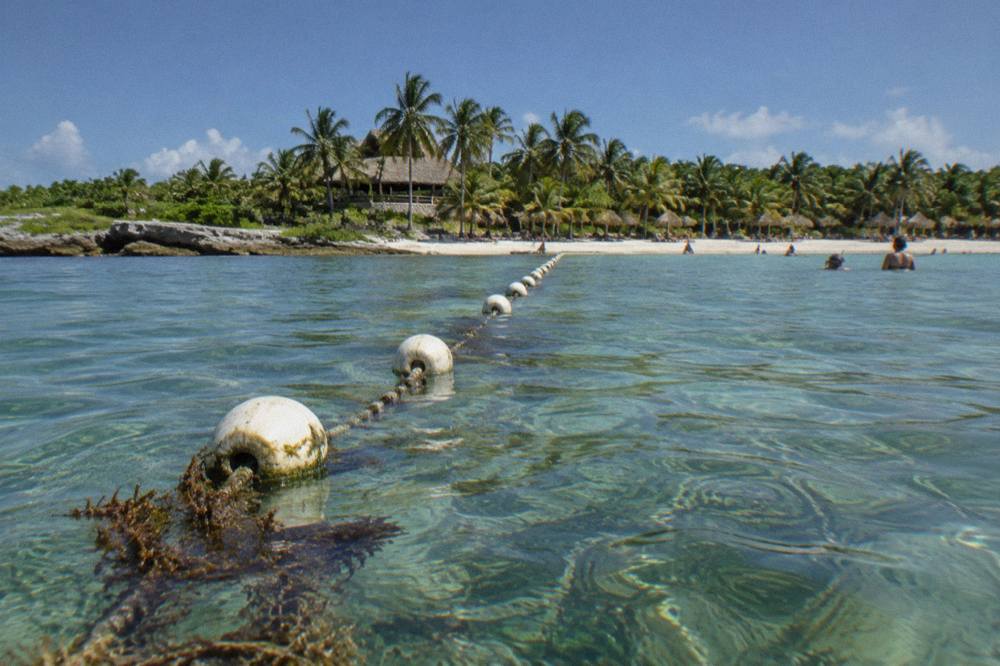
The legal backbone is a pair of decrees published in the Diario Oficial de la Federacion, Mexico's federal register. The first, from March 2016, created the refuge itself, naming it Bahia de Akumal and listing the species it protects: green turtles, loggerhead turtles, hawksbill turtles, corals and mangroves. The second, the Programa de Proteccion published in October 2017, turned that designation into concrete visitor rules. Under that programme, turtle observation swimming is allowed only inside Circuit 1 and Circuit 2, marked with buoys, on guided ecological routes under SEMARNAT authorization.
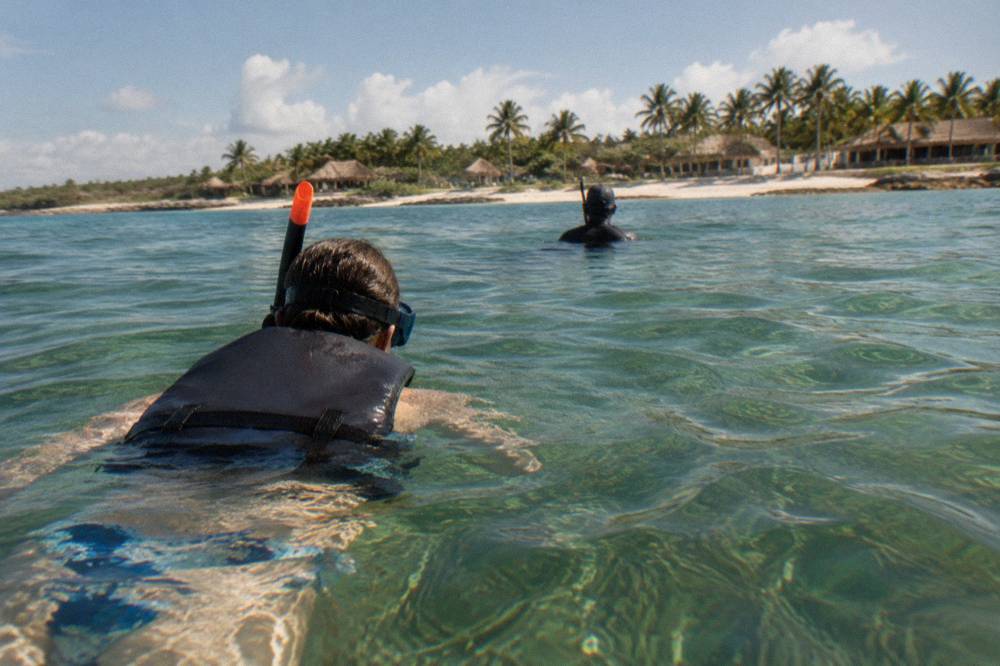
The numbers in the programme are precise in a way most beach rules never are. Circuit 1 admits 256 people per day in 36 groups, with a maximum of 55 minutes per group. Circuit 2 admits 300 people per day in 42 groups, with up to 65 minutes each. Every group is a maximum of six snorkelers plus one certified and previously authorized guide, preferably drawn from the local population. Activity runs from 9:00 to 17:00. Gear is compulsory rather than suggested: snorkel tube, mask, short fins and a life jacket that prevents total immersion, for tourists and guides alike.
| Protection layer | What it is | Key numbers |
|---|---|---|
| Marine refuge (2016 decree) | Area de Refugio around Akumal Bay | 1,653 ha, about 37 km south of Playa del Carmen |
| Protection programme (2017) | Visitor rules for the buoyed circuits | Circuits 1 and 2, 9:00 to 17:00 |
| Circuit daily caps | People admitted per day | Circuit 1: 256 (36 groups); Circuit 2: 300 (42 groups) |
| Group cap | Snorkelers per certified guide | 6 plus the guide |
| Session limits | Time inside a circuit | 55 minutes (Circuit 1); 65 minutes (Circuit 2) |
| Gear rules | Mandatory inside circuits | Snorkel, mask, short fins, immersion-preventing vest |
This is why every turtle tour in Akumal, from the one-hour private lines to the half-day trips from Playa del Carmen, looks structurally similar: a guide, a vest, a small group and a fixed time inside a buoyed area. The tours are not imitating each other. They are all complying with the same federal document.
Who Is The Centro Ecologico Akumal?
The Centro Ecologico Akumal, or CEA, is a research and conservation organization based in Akumal that has run sea turtle nesting monitoring and beach patrols on local beaches for decades. It is the closest thing Akumal has to a sanctuary body, but it keeps no captive turtles, runs no rescue tanks and offers no visitor attraction. Its public-facing work is monitoring, protection and education.
CEA's turtle program is the reason anyone can put a number on Akumal's turtles at all. Each nesting season, its staff and volunteers walk the beaches at night during the May to November season, counting nests, protecting them and relocating eggs when needed. The results get reported publicly. In May 2026 the season opened with 53 nests recorded, 46 of them loggerhead and 7 green. When the season closed in September, the count stood at 922 nests for the year: 747 green and 175 loggerhead, a medium-high season though below the historic figure of 1,350. Within Akumal's own beaches, Bahia Akumal carried 345 green nests and 55 loggerhead nests, as reported by Riviera Maya News quoting CEA's director.
That monitoring sits alongside a second, quieter function: publishing the conduct rules that shape how independent snorkelers behave in the bay. CEA's own snorkeling guidelines, updated in February 2021, ask snorkelers to stay inside the bay, stay horizontal, never stand on the reef, never touch or chase turtles, never dive down, keep at least 3 m from a turtle, watch any single turtle no more than 2 minutes, and wear a sun-shirt or biodegradable sunscreen. The guidelines also note that an independent snorkeler outside the buoyed circuits needs neither a guide nor a vest, though a vest is advisable. That is a separate statement from the federal circuit rules, and the two should never be merged: guides and vests are compulsory inside the circuits for tourist activity, and CEA's code is advisory for everyone.
For a visitor, CEA's presence means the turtles in Akumal are watched rather than housed. The bay is not a facility you visit; it is a wild feeding ground that happens to sit beside a town with a research station. If that wild format appeals, the turtle tours listed here are the sanctioned way into it, including the related lagoon-and-turtles trip described further down.
Where Is The Actual Sanctuary Nearby?
Xcacel-Xcacelito, a beach and protected natural area about 7.5 km south of Akumal Bay, is the site that multiple 2026 sources describe as an actual sanctuary. It is one of the most important green and loggerhead nesting beaches on the Quintana Roo coast, with a nesting season running 1 May to 30 November. It is a conservation site, not a visitor swim attraction, and no public turtle swims are sold there.
The distinction between Akumal and Xcacel-Xcacelito is worth spelling out because the two get blurred in travel content. Akumal's fame rests on in-water experiences: turtles feeding on seagrass in the bay, visited by swimmers under the federal circuit rules. Xcacel-Xcacelito's importance rests on land: it is a nesting beach, guarded precisely because nesting turtles and hatchlings are at their most vulnerable. The federal protection programme itself references the Xcacel-Xcacelito subpolygon when it fixes the nesting season dates, 1 May to 30 November, and the refuge is kept free of swimming, recreation and boats at night in part because turtles court and mate in these waters from April to November.
None of this is a visitor program. There is no hatchery tour listed among Akumal's bookable products, no hatchling-release experience sold here, and no confirmed dates for any such event. Nesting counts are exactly that, counts of nests on beaches, not a promise of what a snorkeler will see in the water. Put simply: Akumal Bay is where the turtles eat, Xcacel-Xcacelito is where many of them are born, and neither is a sanctuary you can walk into and buy a ticket for.
How Do You See Turtles Responsibly In Akumal?
Book a guided tour that operates inside the buoyed circuits, wear the required vest and short fins, keep 3 m from any turtle and move on after two minutes. The federal rules make a certified guide compulsory for tourist activity in the circuits, so every legitimate turtle swim in Akumal, from budget group lines to private tours, runs on the same compliance frame. Do it early: operators describe calmer water and fewer crowds before mid-morning.
Because the rules are fixed, the real choice between tours is about format, group style and what else is bundled in. The swim-with-sea-turtles line from Akumal Ecological Guides, at 4.6 from 454 reviews, the most reviewed tour of its type listed here, from $45 per person for 1 hour 15 minutes, shows what the standard product looks like: gear, entry and a guide, with nothing else attached. The Akumal Beach VIP line from Akumal Mayan Trips, 4.6 from 410 reviews and from $34 per person for 1.5 hours, adds a GoPro photo album and the park wristband to the same core. The Tsuuk Park entry tours from Amigo Tours LATAM, from $45 per person, bundle the park entrance, facilities and a certified guide into one price. Private lines, such as the Swim with Turtles + GoPro session at 5.0 from 303 reviews from $50, buy a one-guide-per-booking format for a similar spend.
The full-day combinations take the same turtle circuit and build a Riviera Maya day around it. Trips that pair Tulum ruins, a cenote and the Akumal turtle swim run from $109 per person from the Riviera Maya with pickup and a meal listed, and a small-group Cancun turtle-and-cenote adventure runs from $80 per person over 5 hours. These longer days carry their own extra fee lines, quoted on each listing as separate government or eco taxes, so read the fee line before comparing headline prices. For a deeper comparison of formats, the Akumal turtle tours compared guide breaks down the whole field side by side.
One category deserves a specific mention because it answers the sanctuary expectation best. The listing labeled Akumal turtles sanctuary and GoPro photos, from Nado con tortugas akumal guias locales, pairs the turtle swim with a photo shoot in and out of the water, sea conditions permitting, at 4.8 from 41 reviews, from $46 per person for 1 hour 15 minutes. Despite the name, it is a wild-bay tour like the others, not a facility visit, and the photos come from your own guided swim. Its live listing carries the current details.
A practical note on timing applies to every one of these products. One 2026 report describes two annual Semarnat rest periods for the turtle circuits, including September, described here only as reported; the same report said turtle swim tours were paused through September 2026. Rest periods and their dates are the kind of thing to confirm with the operator when booking, since a pause affects every listing equally regardless of price or format. Sargassum is similarly variable and monitored daily rather than seasonal, so a same-week check serves you better than any month-by-month rule.
For first-timers weighing whether the whole exercise pays off, the question of whether the experience justifies the cost is covered in detail in is snorkeling in Akumal worth it, and the basics of getting in the water safely are in the guide to swimming with turtles in Akumal Bay. The short version from this side: the protection framework is the product. You are paying for a regulated, guided entry into a wild feeding ground, which is the only kind of turtle swim the law permits here.
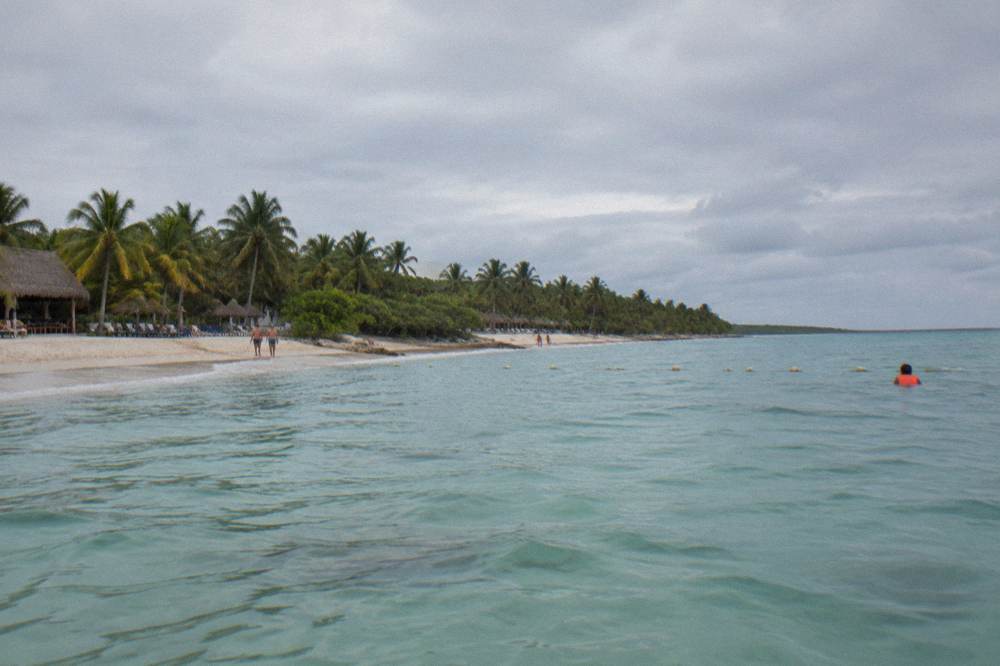
Sorting tour types apart before you book is most of the planning work done.
Whether you choose a photo-forward VIP swim, a budget park-entry tour or a full cenote day, the turtles you meet will be wild animals in a federal refuge, and the guide beside you will be there because a 2017 federal programme says they must be. That is Akumal's real answer to the sanctuary question, and it is a stronger one than any tank could be.
Common Questions About Turtle Protection In Akumal
Is There A Turtle Sanctuary In Akumal?
No. Akumal has no dedicated turtle sanctuary or rehabilitation facility. The bay is a federally protected marine refuge, the Centro Ecologico Akumal runs monitoring, patrols and education, and the site most often described as a sanctuary nearby is the Xcacel-Xcacelito nesting beach.
Can You Visit The Turtles Without A Guide?
Outside the buoyed circuits, CEA's guidelines say an independent snorkeler needs neither a guide nor a vest, though a vest is advisable. Inside the two turtle circuits, tourist activity requires a certified guide, vest, short fins and a group of no more than six people plus the guide under the federal protection programme.
Is There A Place To See Rescued Or Captive Turtles?
No available source describes any rescue or captive-turtle facility in Akumal. The turtle experience here is entirely wild: guided swims over seagrass beds where green turtles feed, inside regulated circuits.
Does The Centro Ecologico Akumal Run Tours?
CEA's published work is monitoring, protection and education, including nesting patrols and snorkeling conduct guidelines. The turtle swims listed here are run by licensed tour operators working within the federal circuit rules, not by CEA.
How Many Turtles Nest In Akumal?
The 2026 season closed with 922 nests recorded, 747 green and 175 loggerhead, described as medium-high though below the historic 1,350. Bahia Akumal alone carried 345 green and 55 loggerhead nests.