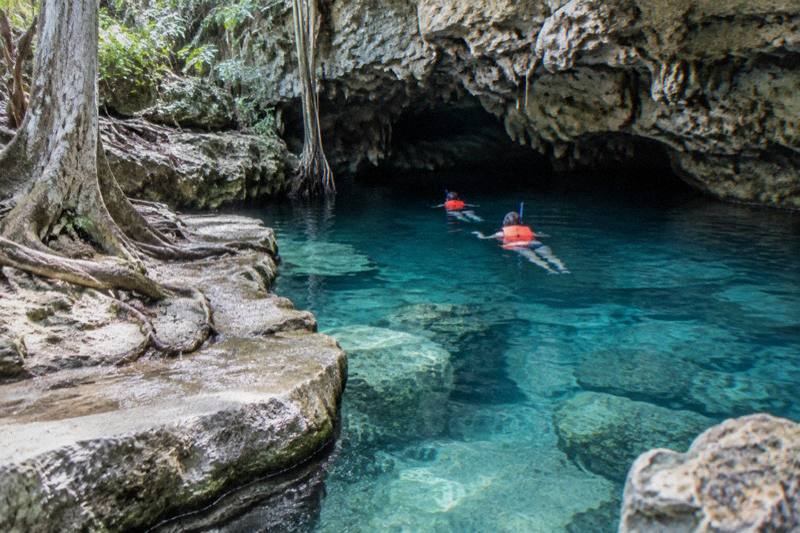
Are Mexican Cenotes Safe To Swim In?
A rules-based look at cenote swimming safety around Akumal: posted rules at Yal-Ku and the federal Bahia de Akumal programme, entry fees, gear, and when a guided combo tour makes sense.
Yes, If You Follow The Posted Rules
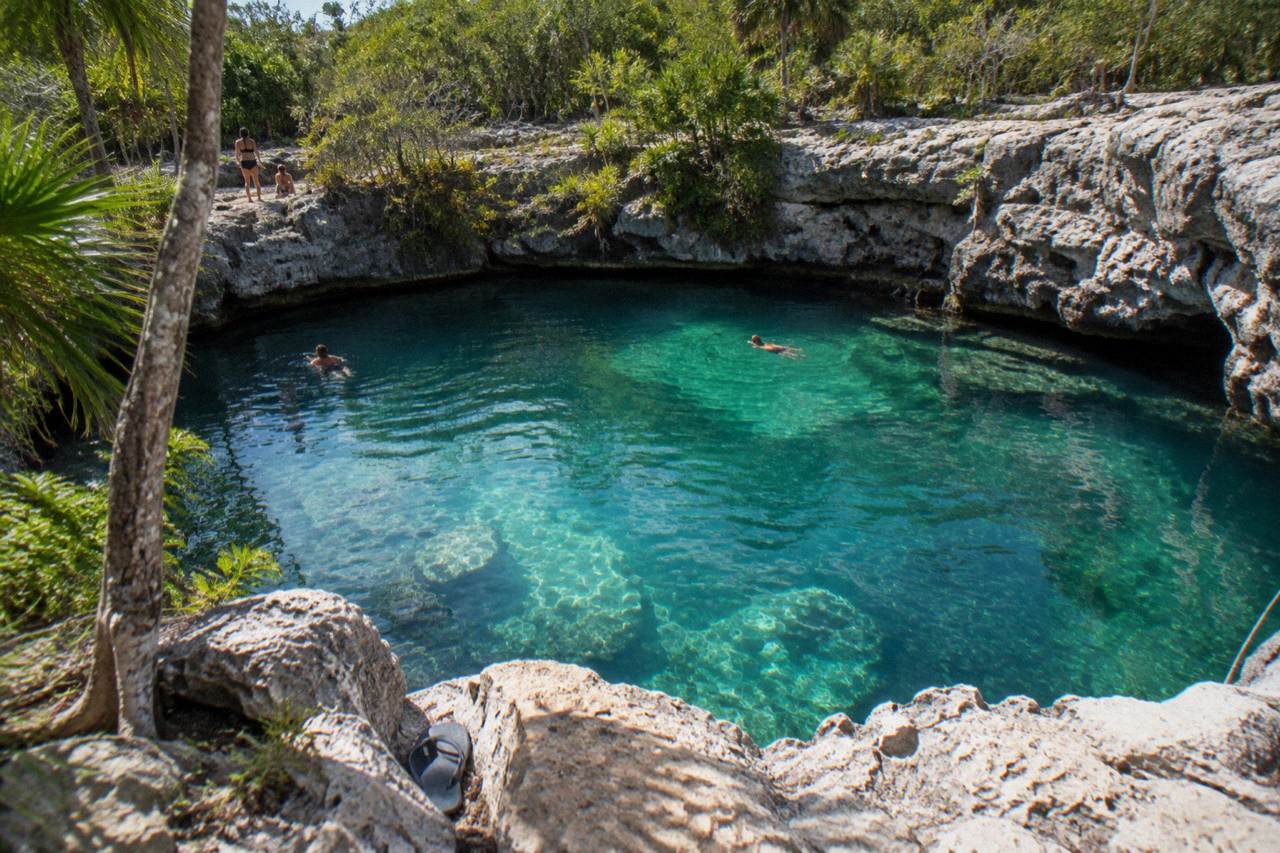
Yes, for most swimmers who follow the posted rules, cenotes around Akumal and Tulum are open, regulated swimming sites, not adventure gambles. The safety picture rests on verifiable rules rather than folklore: the Xcaret-operated side of Yal-Ku makes life vests mandatory, several parks require chemical-free or biodegradable sunscreen, and every combo tour listed here supplies snorkel gear and a guide.
These limestone sinkholes are run like managed attractions: set hours, printed entry fees, staffed entrances. Gran Cenote posts hours of 8:00 a.m. to about 5:00 p.m. and charges 500 MXN per person, cash only, per multiple 2026 travel references. Yal-Ku Lagoon runs 9:00 a.m. to 5:00 p.m. daily. These are places with turnstiles, not wild caves. If you'd like to build a full day around a stop like that, the Gran Cenote and Akumal turtle-swim day plan covers the drive between the two, combo tour options, and what a realistic itinerary costs.
That said, a cenote is still a natural water body in rock, and the safety question deserves a rules-based answer rather than a reassuring slogan. What follows pulls together only what official park pages, the federal protection programme for Bahia de Akumal, and the actual tour listings state: which gear is mandatory where, what fees you will pay at the gate, and which tours bundle the logistics so you are not improvising at a jungle pool edge.
For visitors basing themselves in Akumal, the cenote question usually arrives attached to a turtle swim, which is why the combined turtle-and-cenote days are the natural fit here. The Blue Caribe small-group tour from Cancun, the Ekinox Tours day trips from the Riviera Maya, and the Soul Experiences three-cenote jungle day all wrap a guided cenote stop into a schedule with transport and gear. The cave cenote option from Blue Caribe, from $80 per person, is the one featured here for exactly that pairing.
Outside Yal-Ku's own admission page, no official page publishes cenote-specific 2026 safety rules, things like mandatory pre-swim showers or park-wide vest rules. So this article does not invent a blanket rule. It reports what each park and listing actually states, and flags the rest as unstated.
If you want the short version: swim where rules are posted, wear what the park tells you to wear, and treat the sunscreen rule as real everywhere. The reef and turtle protections in this region are legal requirements, not suggestions, and the same conservation logic follows you inland to the cenotes.
What Rules Are Actually Posted At Cenotes Near Akumal?
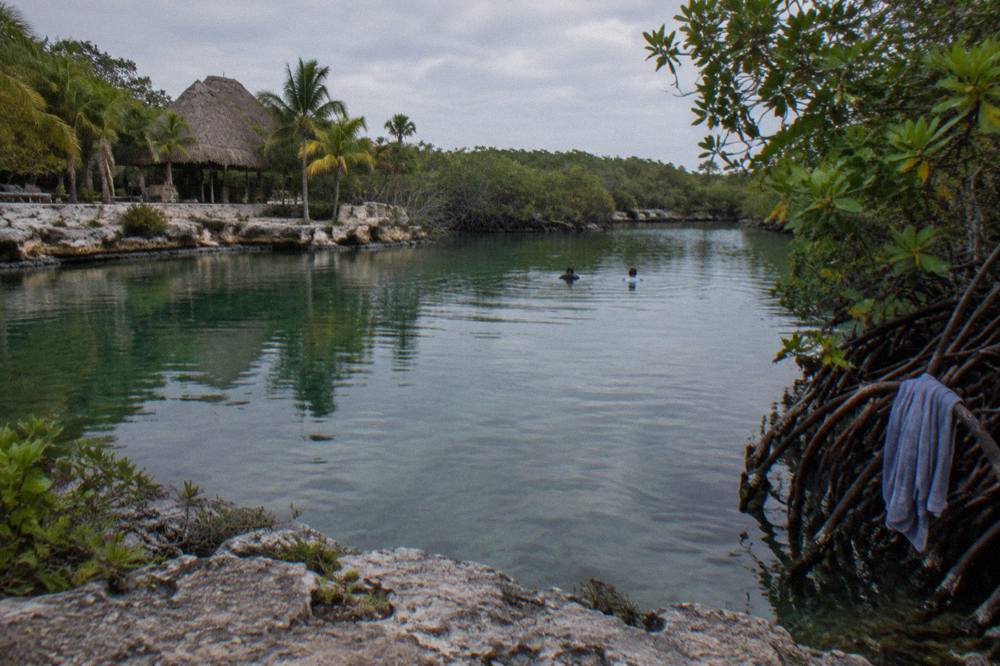
The clearest posted rules sit at Yal-Ku Lagoon: life vests are mandatory on the Xcaret-operated side, chemical-free sunscreen is required, and coolers, food, drinks, inflatables and pets are all prohibited. At the federal marine refuge next door, the protection programme allows only biodegradable sunscreen in the Bahia de Akumal subpolygon. No other cenote-specific federal swim rules were verifiable.
Start with Yal-Ku, because it is the one cenote-adjacent site with an operator page that spells out its rules. The park's own admission page states the vest requirement plainly, along with the sunscreen condition and the ban on bringing your own food and floating toys. Entry on the Xcaret-operated side runs about US$20 or 300 MXN, hours are 9:00 a.m. to 5:00 p.m. daily, and the local side charges less. Those are the posted facts; treat anything softer you read elsewhere as rumor.
The sunscreen rule deserves special attention. The federal Programa de Proteccion for the Bahia de Akumal refuge, published in the official gazette, restricts sunscreen in the bay's waters to biodegradable products only, and the Centro Ecologico Akumal advises a sun shirt or biodegradable sunscreen for anyone snorkeling in the region. Yal-Ku's chemical-free requirement sits in the same family of rules. The practical read: do not assume a "reef-safe" label on the bottle means anything, check that the product is genuinely biodegradable or chemical-free, or simply wear a rash guard and skip the lotion question entirely.
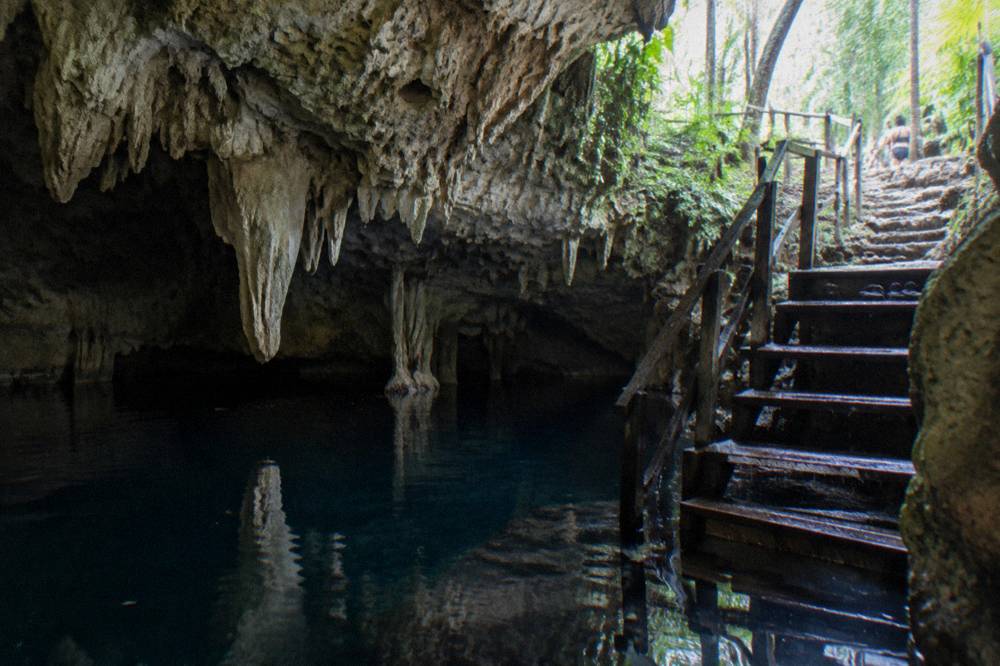
Beyond those two sources, the picture is thinner, and saying so is more useful than inventing rules. Searches for 2026 cenote closures, water-quality notices, or park-wide safety codes at Gran Cenote and Dos Ojos returned nothing verifiable from official sources. Gran Cenote operates on its posted hours and its 500 MXN cash entry. Cenote Dos Ojos charges about 350 to 400 MXN for basic entry, with one 2026 source noting a life jacket included in that price. Both run roughly 8:00 a.m. to 5:00 p.m.
For swimmers who want the full regional rulebook in one place, the Akumal turtle snorkeling rules guide covers the federal circuit requirements in detail, including the certified guide, short fins and vest that are compulsory inside the buoyed turtle zones. The cenote rules are lighter-touch than that, but the gear discipline travelers learn at the bay travels well inland.
Do You Need A Guide Or Vest To Swim A Cenote?
At Yal-Ku, yes to the vest on the Xcaret side, per the park's own page. Beyond that, no verifiable rule requires a guide or a vest at every cenote, and several parks rent or include them as standard practice rather than law. Inside Akumal's turtle circuits, a certified guide, short fins and a vest are compulsory, but that rule governs the bay, not the sinkholes.
This is where the internet tends to blur three different things: a federal rule for a marine refuge, a park's house rule, and an operator's practice. The federal protection programme for Bahia de Akumal is specific and legally binding, but its scope stops at the refuge's waters. The turtle circuits there run, per the federal programme, with a certified and authorized guide, groups capped at six people plus the guide, activity hours of 9:00 to 17:00, and mandatory snorkel, mask, short fins and a life jacket that prevents total immersion.
Cenotes are governed park by park. Yal-Ku posts its vest rule itself. Gran Cenote and Dos Ojos did not publish comparable federal swim codes that could be checked, so the answer is that their rules are what the entrance tells you on the day, and cash entry fees are confirmed on site. Confirm before you swim is not a hedge here, it is the actual state of the published information.
Guided tours sidestep most of this ambiguity, which is a real safety argument for them rather than a sales pitch. The Cancun Small-Group Akumal Turtle Snorkel and Cave Cenote Adventure from Blue Caribe lists snorkel equipment, snacks, bottled water and air-conditioned transport among its inclusions, with government and operation fees quoted separately as the listing states them, and it carries a 4.8 rating from 233 reviews. You arrive with a guide who knows the site, gear that fits, and a schedule that avoids the midday scrum.
Not every guided option is a big-bus day: Tours with Mike runs a private cenote-and-turtles outing from $260 with private transport, an authorized guide, all fees and taxes, bottled water and snorkel gear included. It is the pickup-included option among the private lines, which matters if your cenote nerves are more about logistics than water.
The Blue Caribe small-group day and the private Tours with Mike line are different products with different inclusions, and neither borrows the other's perks. The Akumal and cenote tour comparison breaks the whole combo category down side by side.
Which Cenotes Near Akumal Suit Cautious Swimmers?
Yal-Ku Lagoon is the gentlest entry point, a lagoon rather than a cave, with mandatory vests on the Xcaret side and posted hours of 9:00 a.m. to 5:00 p.m. Gran Cenote is an open, well-visited site with easy access. Cave cenotes like Dos Ojos demand more comfort in enclosed water. Tour listings that name their cenote let you match the venue to your confidence.
Swimming ability and enclosed-space comfort are two different questions, and cenotes test both. An open lagoon like Yal-Ku, where the water meets the sky and the sea, is a very different swim from a cavern where the ceiling comes down to meet the water. Neither is unsafe for a competent swimmer who follows the rules, but the right choice depends on which one makes you tense.
Here is how the main sites compare on the published facts:
| Site | Entry (reported) | Hours (reported) | Posted rules | Water character |
|---|---|---|---|---|
| Yal-Ku Lagoon (Xcaret side) | ~US$20 or 300 MXN | 9:00 to 17:00 daily | Vests mandatory, chemical-free sunscreen, no coolers or inflatables | Open lagoon, meets the sea |
| Gran Cenote | 500 MXN, cash only | 8:00 to about 17:00 | Rules posted at entrance | Open sinkhole, some cavern areas |
| Cenote Dos Ojos | About 350 to 400 MXN | Roughly 8:00 to 17:00 | One source notes a life jacket included | Cave and cavern system |
| Xel-Ha | All-inclusive from about US$100 | 8:30 to 18:00 | Managed park rules on site | Open inlet park |
The Ekinox Tours Cancun mariposa-and-turtle trip includes the Mariposa cenote ticket, life jacket and lockers, while the Tulum day from Cancun stops at Canamayte cenote. The Soul Experiences jungle day from Playa del Carmen, from $249 per person with a stated maximum of 13 travelers, includes a full meal, snacks, transport, all fees and taxes, and snorkel gear. Blue Caribe's day names a cave cenote, so if caverns are not your thing, that is the line to read carefully before booking.
For a deeper look at the lagoon option specifically, the Yal-Ku Lagoon or Akumal Bay guide weighs the two against each other. And if the whole question is new to you, the homepage carries a three-question trip picker that sorts the tours by exactly this kind of preference.
What Does A Cenote Swim Cost To Do Safely?
Counting everything, a self-guided cenote visit near Akumal runs from under 300 MXN on Yal-Ku's local side up to 500 MXN cash at Gran Cenote, plus parking or transport. Guided combo days that include a cenote run from $80 per person for the Blue Caribe small group to $249 per person for the Soul Experiences three-cenote jungle day, each with extra fee lines quoted as the listing states them.
The gate fees are the easy part, because they are printed and confirmed on site. The subtler cost is what the fee does and does not buy. Gran Cenote's 500 MXN is a cash entry. Dos Ojos at 350 to 400 MXN reportedly includes a life jacket in the basic ticket on one source. Yal-Ku's Xcaret-side entry, about US$20 or 300 MXN, comes with a park that enforces its rules rather than merely posting them.
Guided days move the fee structure into the listing. The Blue Caribe turtle-and-cenote adventure is from $80 per person, and the listing states a government marine tax of US$20 per person and an operation fee of US$15 per person payable separately. The Ekinox Tours trips from the Riviera Maya quote from $109 per person with a US$40 per person fee line stated separately; its Cancun mariposa-and-two-cenotes version is from $101 per person with US$25 per person in eco taxes and fees stated separately. None of these fee lines should surprise you at the gate if you read the listing first.
Is the guided premium worth it? For a confident swimmer staying in Akumal with a rental car, no, the gate fees plus parking of roughly 100 MXN a day will always undercut a tour. For anyone without transport, or anyone who values a guide between them and an unfamiliar water body, the combo lines bundle the safety margins, gear and timing into one price. The Akumal snorkeling cost breakdown runs the same math for the bay.
Guided Or Independent: Which Is Safer?
Neither is unsafe when rules are followed, but they fail differently. Independent swimming depends on your own preparation: reading posted rules, bringing the right sunscreen, knowing the hours. Guided tours depend on the operator, and the listings here show what each one actually supplies, gear, guide, transport, fees, so the risk you retain is choosing a listing whose inclusions match your needs.
The independent route rewards preparation. Arrive early, Gran Cenote and Dos Ojos both open around 8:00 a.m., carry cash for the entry, wear a rash guard instead of debating sunscreen labels, and swim inside your comfort zone. The posted hours and fees in the table above are your planning anchors. What independent swimming cannot give you is local knowledge of conditions on the day, and that is precisely what a guide carries. If you would rather hand the planning to someone who knows the roads, the Gran Cenote and Akumal turtle morning guide lays out drive times, entry details, and what a realistic day on that route costs.
The guided route rewards reading the fine print. Every listing in this article states its inclusions and its extra fee lines, and the differences between them are real. The small-group We Love Akumal turtle outing, from $33 per person and 4.9 from 216 reviews, is a bay turtle swim rather than a cenote trip, but it shows the same principle: one listing includes a GoPro photo album, another charges separately for digital lockers. The rules of comparison do not change because the water moved inland.
For the cenote question specifically, two guided products bracket the range. The Ekinox Tours reef-and-turtle day from Playa del Carmen, from $90 per person with round-trip transport, a certified bilingual guide, gear and vest listed, adds a US$25 per person conservation fee stated separately. At the far end, the Soul Experiences jungle experience, from $249 per person and 5.0 from 35 reviews, caps the group at 13 and folds a full meal and all fees into the price. One is a snorkel day with a cenote adjacent; the other is a cenote day with everything included.
Both are safer bets than an improvised visit for a first-timer, not because cenotes are dangerous, but because a guided first visit teaches you what the rules look like in practice. Your second cenote, self-guided, will be a calmer swim for it.
A final note on turtles and cenotes in one day, because that pairing is why most readers land here. The federal programme keeps the turtle circuits to guided groups of six plus the guide, hours 9:00 to 17:00, so a guided group is the legal shape of the turtle swim; a combo day simply adds a cenote to it. Swim the bay with a certified guide in the morning, dry off, then let the same day carry you to a cenote where the rules are lighter and the water is still. That is the safe answer, and it is also the enjoyable one.
Common Questions About Cenote Safety
Are Mexican Cenotes Safe To Swim In?
Yes, for swimmers who follow posted rules. The verifiable requirements are site-specific: Yal-Ku makes vests mandatory on the Xcaret side and requires chemical-free sunscreen, and biodegradable sunscreen is the legal standard in the Bahia de Akumal refuge. No cenote closures or water-quality notices appear for 2026.
Do I Need A Life Vest At Every Cenote?
No single rule applies everywhere. Yal-Ku requires vests on the Xcaret-operated side, one source notes a vest included in the basic Dos Ojos entry, and guided tours list vests as standard equipment. Check the posted rules at each entrance, and wear one whenever it is offered.
Is Sunscreen Allowed In Cenotes?
Rules vary by site, and the strict standard is real. Yal-Ku requires chemical-free sunscreen, and the federal programme for Bahia de Akumal permits only biodegradable sunscreen in its waters. A rash guard or sun shirt avoids the question entirely, and a "reef-safe" label alone is not a guarantee.
What Happens If It Rains Or A Storm Approaches?
Atlantic hurricane season runs 1 June to 30 November, and as of early October 2026 no storm had threatened Quintana Roo. Operators decide day-by-day on conditions, and the listings here state cancellation terms on the booking page. Always check the booking page for the policy on your specific tour.
Can A Non-Swimmer Enjoy A Cenote Visit?
Partly. Walking the paths, viewing the open sinkholes and relaxing at parks like Xel-Ha need no swimming at all. For the water itself, a vest at vest-mandatory Yal-Ku or a guided tour with a guide beside you is the supported route, and the non-swimmer snorkeling article here covers the bay equivalent in detail.