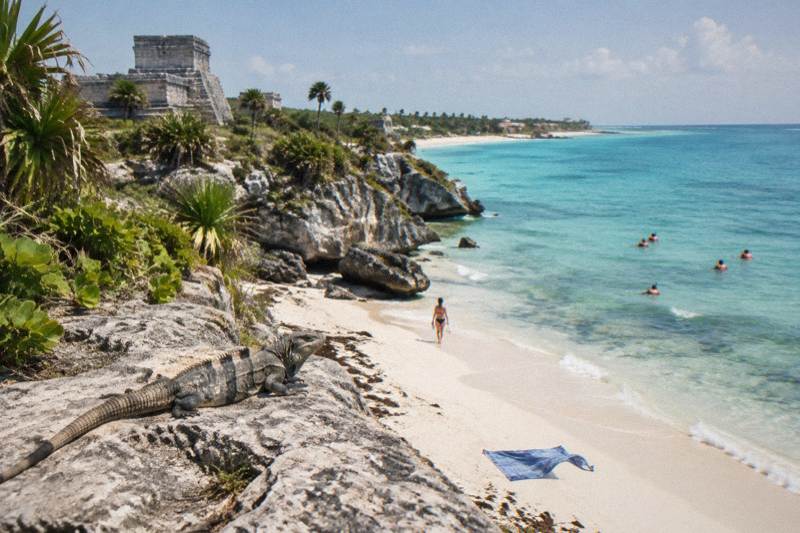
Which Is Better, Tulum Or Akumal?
A side by side comparison of Tulum and Akumal by trip type, with reported costs for turtle tours, ruins, cenotes and hotels, so you can pick the right base for your Riviera Maya trip.
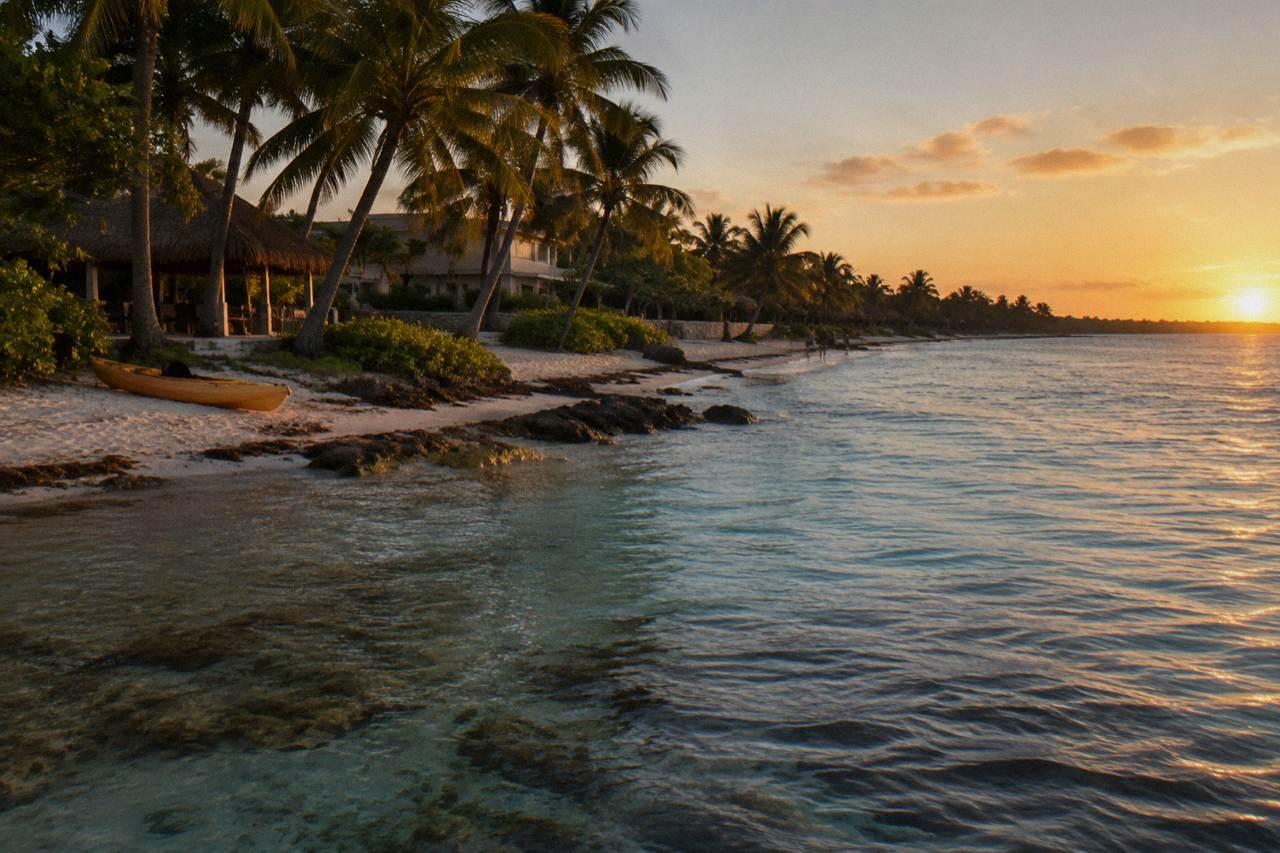
Tulum and Akumal sit roughly twenty minutes apart on Mexico's Caribbean coast, and most Riviera Maya itineraries could include either. The answer is that neither is better overall: Tulum wins for ruins, cenote variety, dining and nightlife, while Akumal wins for the turtle swim itself, walkability and a quieter, smaller scale. The right choice depends on what the trip is for, and this comparison lays out the reported costs of each so the decision can be made on numbers rather than slogans. If the turtle swim tips the scales toward Akumal, the Xel-Ha versus Akumal comparison weighs a full day at the park against a quieter morning on the bay.
It Depends On The Trip You Want
Neither Tulum nor Akumal wins outright, because the two towns are built for entirely different kinds of trips. The better choice comes down to the experience you want from your visit, so instead of asking which destination is superior, ask which one matches the vacation you actually have in mind. Tulum is the larger, louder base: archaeological ruins on a cliff, dozens of cenotes within a short drive, a hotel zone that runs from hostels to high design, and a restaurant and bar scene that keeps going after dark. Akumal is a small bay village whose entire reason to exist, in travel terms, is the protected turtle refuge in its bay, where tours run from $32 to $249 per person depending on format. A traveler who wants variety picks Tulum and day trips to Akumal; a traveler who wants calm water and one great morning in the sea picks Akumal, and the cost tables below show why both answers are defensible.
The comparison that actually matters is not town versus town. It is trip type versus trip type. A family with young kids, a couple on a short break and a group of friends touring cenotes will each answer this question differently, and the cost tables further down make those differences concrete.
The two towns are close enough that the Tulum, Cenote And Akumal Turtle Swim Trip run by Ekinox Tours does all three headline activities, ruins, a cenote and the turtle bay, in a single day from $109 per person, with round trip transport from most Riviera Maya hotels and a US$40 per person fee payable separately as the listing states it. For a first visit with limited days, that one-day format removes the need to choose at all. If a park day is also on your shortlist, the Xel-Ha versus Akumal breakdown compares the costs, crowds and formats of both, plus how to fit them into one trip.
What Does Each Town Actually Offer?
Akumal offers one concentrated thing done very well: a protected bay where green turtles feed on seagrass, reached on foot, with a small village wrapped around it and everything within a short stroll, so the town's whole identity rests on that single accessible experience rather than on a spread of separate attractions. Tulum offers breadth instead: a walled Maya archaeological site above the sea, the adjacent Parque del Jaguar, a long strip of beach clubs and boutiques, and more cenotes within thirty minutes than almost anywhere on the coast. Akumal's attraction list is short and marine; Tulum's is long, mixed and spread out, which is both its appeal and its overhead in time and transport.
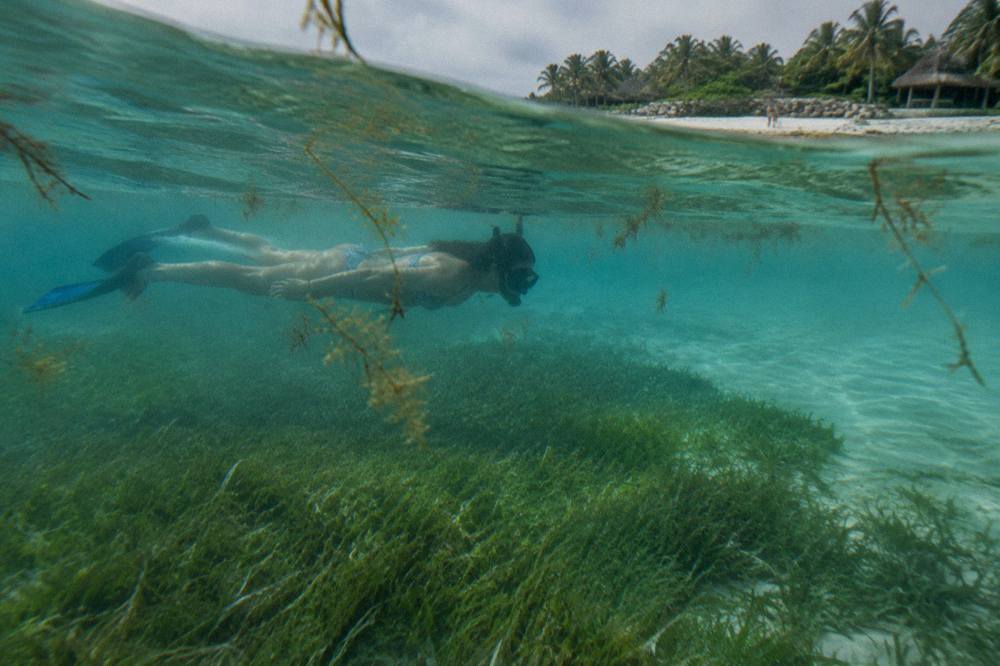
Akumal's center of gravity is the bay itself. The turtle swim runs inside two buoyed federal circuits where a certified guide, a life jacket and short fins are compulsory, with groups capped at six snorkelers plus the guide, because the federal protection programme for the Bahia de Akumal refuge requires it. Around that swim sit a handful of supporting attractions: Half Moon Bay to the north, the Yal-Ku lagoon where saltwater fish gather among rocks, and easy drives to cenotes like Gran Cenote and Dos Ojos, which are technically closer to Tulum but reachable from either base.
Tulum's headline is the archaeological zone, open 8:00 to 17:00 with last entry earlier, and entered these days through the Parque del Jaguar, which charges 100 MXN for foreign visitors and is free for Mexican nationals per the official announcement of 17 July 2026. Add the ruins admission itself, reported at 265 MXN for foreign adults from a single blog source, and the cenote belt inland, and Tulum can fill three or four full days without repeating itself. The tradeoff is distance: everything in Tulum involves a bike, a taxi or a colectivo, while in Akumal the main activity starts at the sand.
| What you want | Better base | Why |
|---|---|---|
| Snorkeling with resident turtles | Akumal | The refuge and its buoyed circuits are in Akumal Bay itself |
| Maya ruins | Tulum | The Tulum archaeological zone and Parque del Jaguar are there |
| Cenote variety | Tulum | Gran Cenote, Dos Ojos and dozens more cluster near Tulum |
| Quieter, walkable scale | Akumal | A village around one bay versus a spread out town |
| Restaurants and nightlife | Tulum | A large, active dining and beach club scene |
| Calm morning water | Akumal | A sheltered bay; operators recommend the first slots |
For readers who want depth on either side, the Akumal Bay guide covers the bay circuit by circuit, and the Tulum snorkeling guide covers what the water around Tulum itself has to offer, which is a different question from the ruins.
If the choice is still open after the table, the shortcut is booking flexibility: the combined tours can be reserved ahead and the operator's listing states its own cancellation terms, so committing to a day trip early costs little if plans shift.
How Do The Costs Compare?
On reported averages, Tulum is slightly cheaper to sleep in, at $127 a night against Akumal's $142, while Akumal is cheaper to be active in, with turtle tours from $32 per person and the main attraction reachable on foot. Tulum shifts more of the budget into entry fees and transport: ruins, park and cenote tickets add up fast, and the distances mean colectivo or taxi fares every day. Neither town is expensive by big resort standards, but the money goes to different places.
The headline numbers on the Akumal side come from the tour listings themselves. The turtle swim runs from $32 per person for the VIP turtle snorkeling line with GoPro photos, through the $45 park entry lines, up to $249 per person for the three cenote and full meal local experience. Beach entry is its own thing: Akumal Beach is a public federal beach with free access, while the convenient route in is through Tsuuk Akumal Natural Park at US$7 for foreign visitors or MXN 130 for Mexican nationals, wristband and facilities included, per the park's own services page.
| Cost item | Akumal | Tulum |
|---|---|---|
| Turtle snorkel tour | From $32 to $249 per person | Day trip from Akumal, from $90 per person plus fees |
| Main sight entry | Park entry US$7 foreign / MXN 130 national | Ruins 265 MXN foreign adult, reported; Parque del Jaguar 100 MXN foreign |
| Signature cenote | Yal-Ku lagoon about US$20 or 300 MXN | Gran Cenote 500 MXN cash; Dos Ojos 350 to 400 MXN |
| Reported average hotel night | $142 | $127 |
| Getting around | On foot around the bay | Bike, taxi or colectivo daily |
A few of those figures deserve their labels. The 265 MXN ruins admission is from a single blog source, so treat it as approximate and confirm at the gate. Gran Cenote's 500 MXN is a cash-only entry, widely reported for 2026, with hours around 8:00 to 17:00. The hotel averages come from a budget travel dataset rather than any single property, and shoulder season can undercut both sharply. The comparison pattern, though, holds: Akumal spends on the water, Tulum spends on gates.
One Akumal cost trap worth naming: some tours that depart from Playa del Carmen or Cancun carry extra fee lines that the base price hides, such as a US$15 or US$20 per person government or marine fee payable separately, exactly as those listings state it. The pure Akumal departures mostly fold the park entry into the price, which is why the from $45 lines that name Tsuuk entry in their inclusions often work out simpler than a cheaper looking base price elsewhere.
Which Base Is Better For Turtle Snorkeling?
Akumal is the better base for turtle snorkeling, and it is not close: the turtles are in Akumal Bay, and the buoyed snorkel circuits run there daily from 9:00 to 17:00 under the federal protection programme. Basing yourself anywhere else means travelling to the turtles each day, while staying in Akumal puts you right beside them from the moment the circuits open at 9:00. Tulum has no equivalent on its own shoreline: its coast is more open, and travelers staying in Tulum who want the turtle experience end up driving north for it. Operators describe resident green turtles feeding on the bay's seagrass year round, reported, not a promise, and the entire local economy is arranged around putting visitors in the water beside them responsibly.
The listings make the point on their own. The Akumal Beach VIP line from Akumal Mayan Trips, from $34 per person for ninety minutes, includes the park wristband, the protected circuit, gear and a GoPro photo album, and holds a 4.6 rating across 410 reviews. The swim with sea turtles line from Akumal Ecological Guides, from $45 per person, is the most reviewed turtle product here at 454 reviews with a 4.6 rating. These are bay side departures: no transfer, no bus, walk on and swim. More of these guides are collected in the full list of guides.
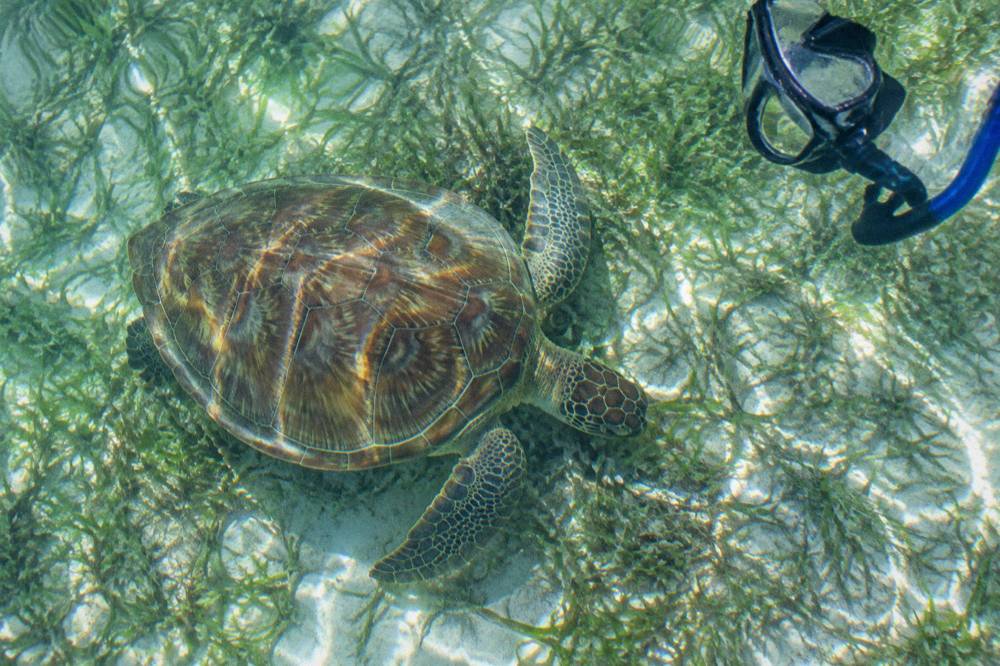
Staying in Tulum does not lock anyone out. The Riviera Maya turtle trip with Tulum and a cenote, from $109 per person plus the separately stated US$40 fee, picks up in Playa del Carmen and folds the turtle bay into a full ruins day, rated 4.6 from 332 reviews. The shorter Akumal reef turtle swim from the same operator, from $90 per person with a US$25 per person conservation fee payable separately as the listing states it, is a six hour version. The difference is time in the water versus time in a vehicle.
For travelers whose main goal is the turtles, the arithmetic favors Akumal clearly. Book a first thing morning slot, be in the water before the day trippers arrive, and spend the afternoon on the sand at no additional attraction cost. The rules guide for the Akumal turtle swim explains the federal circuit requirements in full, alongside the Centro Ecologico Akumal's 3 meter distance and two minute per turtle viewing guidance, and its published snorkeling guidelines remain the reference for conduct in the bay.
Is Tulum Better For Ruins And Cenotes?
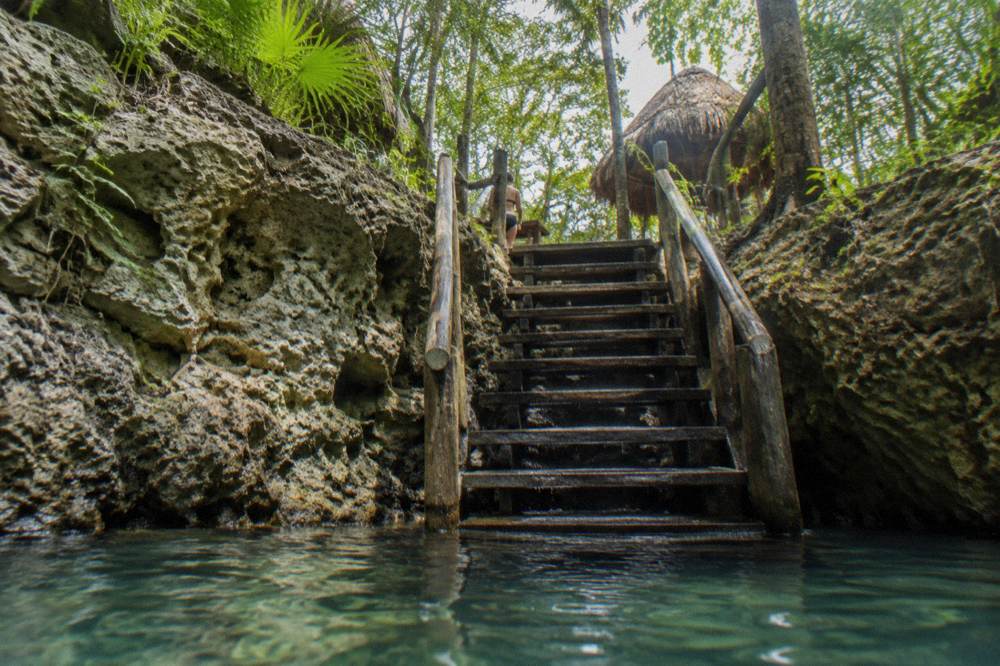
Yes, and by a wide margin: Tulum has the headline ruins on the coast, and the cenote belt around the town, home to Gran Cenote, Dos Ojos, and dozens more, is the densest stretch of cenotes you will find anywhere along this coastline. Akumal has Yal-Ku lagoon, which is a saltwater inlet rather than a cave cenote, and a couple of smaller sites nearby, but anyone planning two or three cenote days will base in Tulum or just inland from it and simply drive down to Akumal for the turtles. On ruins and caves specifically, the comparison is not close.
The entry fees tell the story. Gran Cenote runs 500 MXN per person, cash only, reported consistently across 2026 sources, with hours around 8:00 to 17:00 and last entry earlier. Dos Ojos basic entry runs about 350 to 400 MXN with a life jacket included on some tickets, reported. Yal-Ku on the Xcaret operated side runs about US$20 or 300 MXN, open 9:00 to 17:00, with vests mandatory there and chemical free sunscreen required per the park's own admission page. A two cenote day near Tulum plus the ruins means stacking several separate tickets before food or transport, which is the real cost of Tulum's variety.
The combined day trips absorb some of that planning. The Cancun trio tour that strings Tulum, a cenote and the Akumal turtle swim together runs 10 hours from $109 per person, rated 4.5 from 377 reviews, with hotel pickup from Cancun and Puerto Morelos included and the same separately stated US$40 fee line. From the Riviera Maya side, an eight to ten hour version runs the same skeleton, with lunch, from Playa del Carmen. These are long days, and they suit travelers who want the checklist covered once rather than savored twice.
There is a timing wrinkle worth knowing before booking either town. One report from late August 2026 says Semarnat applies two annual rest periods to the turtle circuits, including September; it is reported rather than a published calendar, so anyone traveling in a shoulder month should confirm with the operator when booking. Hurricane season itself runs 1 June to 30 November officially, and as of early October 2026 eight named Atlantic storms had formed with none threatening Quintana Roo, so the season is a reason for travel insurance, not for canceling a trip.
Where Should You Stay If You Visit Both?
Stay where the majority of your days are, and day trip the other: Tulum if the trip is ruins, cenotes and nightlife, Akumal if it is the bay, and Playa del Carmen only if you want a neutral middle with more infrastructure than either. The reported hotel averages, $142 a night in Akumal against $127 in Tulum, are close enough that budget should not decide this; the shape of the days should. If the turtles are the whole point of the trip, the where to stay near Akumal guide shows which towns the turtle tours actually collect from.
Akumal as a base is small and early to quiet. Lodging clusters around the bay and Half Moon Bay, restaurants like Lol-Ha and La Lunita anchor the food options, and the main activity is a walk away. The tradeoff is that everything beyond the bay, ruins, big cenotes, Xel-Ha at from about US$100 all inclusive, open 8:30 to 18:00, is a drive. A rental car or a willingness to use colectivos at 40 to 50 MXN a ride changes the Akumal experience completely, and parking near the bay runs about MXN 100 a day, reported.
Tulum as a base spreads out. The town, the hotel zone on the beach road and the ruins are separate clusters, connected by taxis and bicycles, and the cenote belt starts minutes inland. From Tulum, Akumal is a short drive north on Highway 307, and several turtle tours offer the bay as a stop inside a bigger day. The tradeoff is exactly what Akumal lacks: crowds, traffic in high season from late December to early April, reported as the peak window, and prices that flex harder with demand. If Playa del Carmen is also on the shortlist, the guide to choosing a base near Akumal compares hotel costs and tour pickup coverage across the towns.
One pattern from booking data, reported by operators, is worth folding in: peak winter dates fill fastest, with some private and combo tours averaging weeks of advance booking. Anyone set on a late December to early April window should reserve the turtle swim and any Tulum combo before locking hotels, since the tours are the scarcer commodity.
The Verdict By Trip Type
Families and snorkel first travelers should base in Akumal; ruins and cenote travelers, groups and anyone wanting evening life should base in Tulum; and short stay visitors should book a combined day trip from either and sleep wherever the flight logistics favor. There is no overall winner, and any article crowning one is selling a mood rather than a comparison.
The family case for Akumal is simple: one sheltered bay, short activity windows of an hour or two, walkable everything, and the swim with sea turtles line at 4.6 from 454 reviews is the most reviewed turtle product here. The case for Tulum is equally simple for a group of adults: three or four distinct days of ruins, caves and beach clubs, with the turtle bay as an easy excursion bolted on through a tour like the Check availability combined trip linked above, from $109 per person.
Budget travelers get a genuine split decision. Akumal's floor is lower for activity, from $32 per person for a tour, and the public beach is free to walk and swim. Tulum's floor is lower for sleeping, at a reported $127 average night, but its attractions are all ticketed. The deciding question is which line item dominates the budget, beds or entries.
For a final practical note on timing either way: hurricane season runs through 30 November, sargassum is a daily status that shifts with the wind rather than a monthly rule, and the turtle circuits rest periodically per the reported Semarnat schedule, so check the monitors, confirm the tour, and choose the base that matches the days you actually want. Check the monitors, confirm the tour, and choose the base that matches the days you actually want.
Common Questions About Tulum Or Akumal
Which Is Better, Tulum Or Akumal?
Neither is better overall. Tulum suits trips built around ruins, cenotes, dining and nightlife; Akumal suits trips built around the turtle swim, calm water and a quiet, walkable base. The turtle refuge itself is in Akumal Bay, so travelers whose top priority is snorkeling with turtles should base there or take a combined tour from Tulum.
Is Akumal Cheaper Than Tulum?
It depends on the line item. Reported average hotel nights run $142 in Akumal against $127 in Tulum, so sleeping is slightly cheaper in Tulum. Activity is cheaper in Akumal, where turtle tours start from $32 per person and the main beach is free to access, while Tulum's ruins, parks and cenotes add up in daily entry fees.
Can You Visit Both Tulum And Akumal On One Trip?
Yes, easily. The two are roughly twenty minutes apart by road, and combined tours such as the Tulum, Cenote And Akumal Turtle Swim Trip, from $109 per person with hotel pickup, cover the ruins, a cenote and the turtle bay in a single day. Many travelers base in one town and day trip to the other.
Do You Have To Stay In Akumal To Swim With The Turtles?
No. Tours depart from Cancun, Playa del Carmen and the wider Riviera Maya, and the bay is a short drive from Tulum. Staying in Akumal simply removes the transfer and makes an early morning slot easier, which operators recommend for calmer water and fewer people.
Is Tulum Worth It If You Only Care About Snorkeling?
Not as a base. The signature snorkeling experiences in the area are the Akumal turtle circuits and the cenotes, and the cenote belt is near Tulum, but open water turtle snorkeling happens in Akumal Bay. Snorkel focused travelers do better sleeping in Akumal and driving to one or two Tulum cenotes.
When Is The Best Time Of Year To Visit Either Town?
Reported high season runs late December to early April, with low season from late June to September. Hurricane season officially runs 1 June to 30 November. Early morning is the best time of day at Akumal Bay regardless of month, and travelers in shoulder months should confirm the turtle circuit schedule with their operator, since rest periods have been reported.